Carbonara is the dish Romans argue about most, precisely because it has so few parts. A proper plate uses guanciale (cured pork cheek, not bacon), egg yolks, sharp Pecorino Romano and a heavy grind of black pepper. There is no cream and no garlic. The sauce is made off the heat, with a splash of starchy pasta water turning yolk and cheese into a glossy coating that clings to spaghetti, rigatoni or tonnarelli.
Because it is cheap to make and everyone claims theirs is the original, quality swings wildly. The best versions turn up in unassuming trattorie in Testaccio, Monti, Trastevere and the residential streets of Prati and San Giovanni, where the customers are mostly local office workers and families. Expect a modest bill for a primo; a carbonara priced like a main course on a piazza with a view is usually paying for the view.
Romans eat lunch from about one o'clock and dinner from around eight, and many family kitchens close one day a week, often Sunday evening or Monday. Turning up at seven-thirty usually gets you a table without booking, though the popular places fill fast on weekends.
Top-rated right now
- 01
Ristorante "Pasta Urbana"
4.9 ★5,446 Google reviews€Italian restaurant
Via Belsiana, 94, Roma
- 02
Tonnarello Scala
4.8 ★20,194 Google reviews€€Restaurant
Piazza della Scala, 19/21, Roma
- 03
La Nuova Piazzetta Navona
4.8 ★17,249 Google reviews€€Restaurant
Via della Posta Vecchia, 4, Roma
- 04
Tonnarello
4.7 ★1,11,905 Google reviews€€Italian restaurant
V. della Paglia, 1/2/3, Roma
- 05
Nannarella
4.7 ★48,173 Google reviews€€Italian restaurant
Piazza di S. Calisto, 7/a, Roma
- 06
Mimì e Cocò
4.7 ★10,069 Google reviews€€Bistro
V. del Governo Vecchio, 72, Roma
- 07
Hostaria de' Pastini
4.7 ★8,595 Google reviews€€Italian restaurant
Via dei Pastini, 126/128, Roma
- 08
Ristorante Trattoria Antonio al Pantheon
4.7 ★3,312 Google reviews€€Restaurant
Via dei Pastini, 12, Roma
- 09
La Carbonara
4.7 ★2,437 Google reviews€Restaurant
Via Emanuele Filiberto, 136, Roma
- 10
Osteria da Fortunata - Rinascimento
4.6 ★21,391 Google reviews€€Italian restaurant
Corso del Rinascimento, 17, Roma
Listings, ratings and review counts: Google Maps, refreshed daily. Ranked by rating weighted by number of reviews; only open businesses with at least 300 reviews and a 4.2+ rating are included. We are not paid for placement.
How to choose
Read the sauce before you taste it
A good carbonara is yellow-gold and glossy, never white and soupy (cream) or grainy like scrambled egg (overheated). Crisp-edged cubes of guanciale with some translucent fat are the sign of the right meat; thin pink strips usually mean pancetta or bacon.
Know what is in it
This is a pork dish through and through, and it contains raw-ish egg yolk that is only cooked by the heat of the pasta. For a vegetarian Roman classic, order cacio e pepe (pecorino and pepper) instead, though strict vegetarians should know traditional pecorino is made with animal rennet.
Order like a Roman
Carbonara is a primo, so locals often share an antipasto first and follow with a vegetable side such as chicory or, in spring, artichokes. You will be charged a small coperto (cover charge) per person in most sit-down places; it should be printed on the menu.
Skip the picture menus
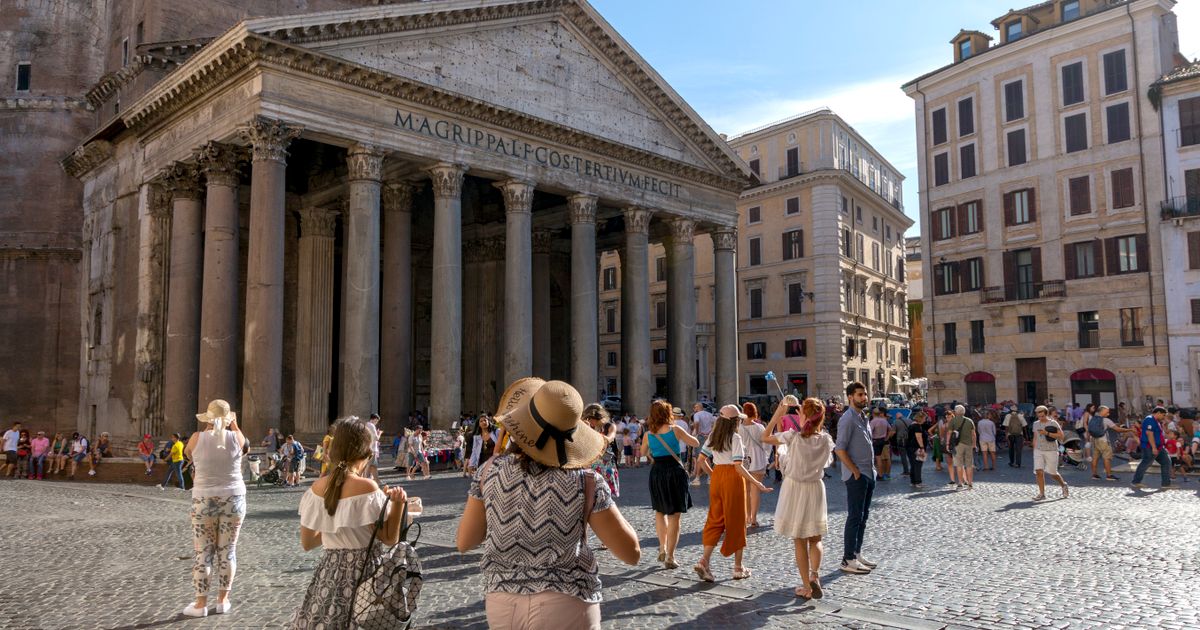
Laminated menus in six languages with photos, and staff calling you in from the doorway, are reliable warning signs around Piazza Navona, the Pantheon and the Trevi Fountain. Walk ten minutes into a side street and the odds improve sharply.
Questions travellers ask
- Is carbonara in Rome made with cream?
- No. The Roman recipe binds egg yolk and Pecorino Romano with pasta water. A creamy, white sauce is a sign the kitchen is cooking for tourists.
- Can I get a vegetarian carbonara?
- A few kitchens make a version with courgettes or mushrooms in place of guanciale, but it is not standard. Ask clearly, and remember the egg and pecorino stay in.
- Which pasta shape is traditional?
- Spaghetti and rigatoni are the most common in Rome. Rigatoni holds the sauce inside the tubes, which many locals prefer.